What Is a TM44 Air Conditioning Inspection?
Legal Requirement and Penalties
Which Air Conditioning Systems Require TM44 Inspections?
- Split and multi-split systems
- VRF / VRV air conditioning systems
- Packaged rooftop units
- Chillers and central cooling systems
- Systems integrated with ventilation or humidity control
Contact Clifton Energy Today
For Air Conditioning Inspections, contact Clifton Energy today.
When Is a TM44 Inspection Required?
In England and Wales, air conditioning systems above 12kW must be inspected at least every five years.
You may also need an inspection when:
- A building is sold or leased
- A new facilities manager or building operator takes control of the system
- Previous inspection documentation is missing
- The system has been significantly modified or replaced
If control of the system changes and the new responsible party does not receive the previous report, a new inspection must be completed within three months.
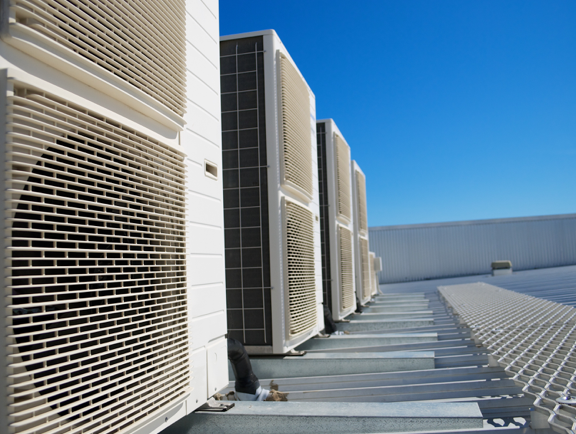
What Happens During a TM44 Inspection?
A typical TM44 inspection involves three stages.
Pre-Inspection Information Review
Before the site visit, the assessor may request information such as system specifications, operation and maintenance manuals, service records, Building Management System (BMS) schedules, and equipment capacity and layout information.
Providing documentation in advance improves the quality and efficiency of the inspection
On-Site Inspection
Most inspections can be completed within one site visit. During the visit, the assessor will identify key plant and equipment, confirm system type and capacity, assess maintenance access and system condition, review system controls and operating schedules, and evaluate whether the system is appropriately sized for the building.
Particular attention is paid to controls, operating schedules and setpoints, as these frequently drive unnecessary energy consumption.
Inspection Report and Register Lodgement
- A comprehensive TM44 Air Conditioning Inspection Report
- An air conditioning inspection certificate with a registered reference number
- A set of practical energy efficiency recommendations
Typical Findings and Improvements
- Incorrect operating schedules
- Cooling running outside occupancy hours
- Poorly located temperature sensors
- Oversized systems
- Condenser airflow restrictions
- Simultaneous heating and cooling
Who Is Responsible?
FAQs
Air Conditioning Inspections identify ways in which the energy consumption of existing air conditioning systems can be reduced.
The Energy Performance of Buildings Regulations 2007 introduced a statutory obligation on any person who controls the operation of an air conditioning system over 12kW to ensure their system is inspected every 5 years by a qualified assessor
Following a site visit, a TM44 report is compiled outlining potential energy savings, identifying operating anomalies, reviewing the appropriateness of refrigeration plant size against cooling loads, and assessing the effectiveness of current maintenance regimes.
The client will receive a certificate confirming the inspection, which is lodged on the central government register
Yes. The Energy Performance of Buildings Regulations 2007 make it a statutory obligation for the person in control of a system with an effective rated output of more than 12kW to ensure an inspection is completed every 5 years
The regulations affect systems where refrigeration is used to provide cooling for occupant comfort.
Since 2012, this was widened to cover certain process applications like server rooms, though highly specialized industrial or manufacturing applications may fall outside this remit
While a TM44 is an inspection, not a service, F-Gas regulations require systems containing fluorinated greenhouse gases with a global warming potential higher than 5 tonnes of CO2 to have an annual leak check. Good practice guidelines suggest regular maintenance is essential for all systems to operate efficiently
Why Choose Clifton Energy?
- Inspections by experienced energy consultants
- Accredited Level 3 and Level 4 TM44 assessors
- Extensive London & South East coverage
- Fast and efficient site visits for both single sites and portfolio inspections
- Comprehensive support for wider compliance, including Commercial EPCs and MEES compliance
Ensure your building is compliant and operating efficiently.
Request a TM44 inspection quotation today.